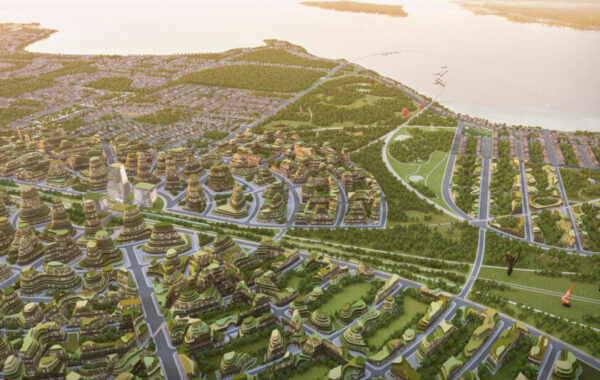
What is energy saving?
Energy conservation is the process of reducing consumption and obtaining the same service with less energy by using existing energy resources more efficiently. However, energy conservation on a city scale is not limited to individual behaviors. This concept represents a strategic transformation encompassing a wide range of areas, from city infrastructure and public spaces to transportation systems and lighting.
Today, cities account for a large portion of total energy consumption. Therefore, energy conservation is not only an economic necessity but also a critical requirement for environmental sustainability. Rising energy costs, carbon emission pressures, and limited resources are driving cities towards more efficient systems.
Why is energy consumption so high in cities?
The main reason for high energy consumption in cities is the high population density and continuously operating systems. Lighting, transportation, public services, and commercial activities are active for a large part of the day. This makes energy demand constant.
Traditional systems often focus on continuity rather than efficiency, leading to unnecessary energy consumption. For example, continuously operating lighting systems continue to consume energy even when not needed. Similarly, outdated infrastructure causes energy losses.
At this point, energy saving means not only reducing consumption but also making systems smarter and more optimized.
Transformation with Renewable Energy
One of the most effective ways to save energy is to use renewable energy sources. Solar energy, in particular, is one of the most feasible solutions in cities. Solar energy systems both generate energy and reduce dependence on external sources.
Solar systems used in public spaces provide distributed energy generation within the city. This approach goes beyond simply reducing energy consumption; it localizes energy production. This minimizes losses and lowers costs.
This transformation creates a more flexible and sustainable structure for cities' energy management.
Efficiency in Lighting Systems
In cities, a significant portion of energy consumption comes from lighting systems. Traditional lighting solutions operate with high energy consumption and low efficiency. Therefore, the transition to LED technology has accelerated in modern cities.
LED lighting systems offer higher performance with lower energy consumption. Furthermore, when integrated with intelligent control systems, lighting can be optimized according to need. For example, systems that operate only when necessary thanks to sensors eliminate unnecessary energy consumption.
This approach saves energy while also improving city safety and user comfort.
The Role of Smart Infrastructure Systems
Energy conservation is not just about balancing production and consumption; it also requires the proper management of these processes. This is where smart infrastructure systems come into play.
These data-driven systems continuously analyze and optimize energy usage. Information such as how much energy is consumed in which region and at what times usage increases enables more accurate planning.
This way, energy is not only consumed less, but also used more efficiently. This approach sets a new standard in energy management for cities.
The Contribution of Smart Urban Furniture
One often overlooked but highly effective area for energy saving is smart urban furniture. These systems offer solutions that generate energy instead of simply consuming it.
Solar-powered smart furniture generates its own energy in public spaces and provides direct service to the user. This reduces the energy burden across the city and also decreases the need for electrical infrastructure.
Thanks to these systems, areas such as parks, squares, and walking paths are transformed from energy-consuming spaces into energy-producing spaces. This transformation has a direct impact on the overall energy balance of cities.
Propysalford Approach
Propysalford approaches energy efficiency not simply as a reduction in consumption, but as a systemic transformation. The solutions developed integrate energy production, data management, and user experience.
Solar-based urban furniture reduces energy burden by providing distributed energy generation within the city. It also optimizes energy usage by integrating with smart systems.
This approach helps cities become more sustainable and efficient.
Frequently Asked Questions
Why is energy conservation important in cities?
It lowers energy costs, reduces environmental impact, and helps create sustainable cities.
What is the most effective way to save energy?
The use of renewable energy and the integration of smart systems are the most effective methods.
Do smart urban furniture items save energy?
Yes. They reduce overall energy consumption by generating their own energy.
Why is LED lighting preferred?
Because it consumes less energy and has a longer lifespan.
Propysalford 's smart systems to save energy and make a difference with sustainable solutions in your city