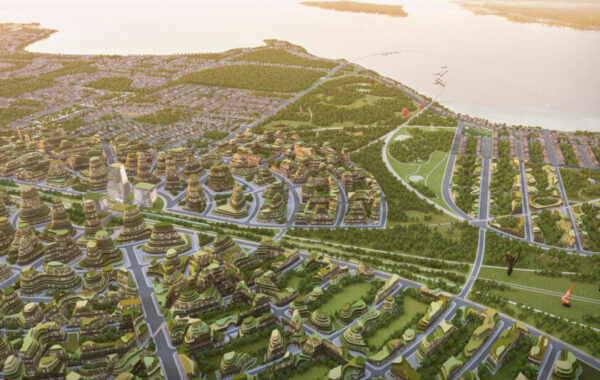
How is the Smart City Experience Changing?
Smart city user experiencerefers to individuals interacting with technology, data, and sustainable solutions in public spaces to have a more comfortable, safe, and connected living experience.
In traditional cities, public spaces only respond to physical needs, whereas in smart cities these spaces:
- Digital
- Interactive
- Data-driven
- Energy producing
They are transforming into experience centers.
This transformation is made possible by integrating smart technologies into urban furniture, transportation systems, and energy infrastructure. Smart urban furniture, in particular, is the most visible and rapidly impacting component.
How are public spaces evolving?
In the past, parks, squares, and bus stops were passive use areas. Users simply spent time in these areas, receiving no feedback from the system.
Today, public spaces include:
- Providing services to the user
- Data generating
- Providing energy
- Interacting with the user
They have transformed into active systems.
For example, a smart bench located in a park is no longer just a seating area, but also:
- Charging point for mobile devices
- Wi-Fi hotspot
- LED lighting source
- A center that collects environmental and usage data
It has become...
This transformation significantly increases the duration of use and user engagement in public spaces.
How have user expectations changed?
With the acceleration of digitalization, the expectations of urban users have also changed. Users now demand not only physical comfort but also digital comfort and uninterrupted connectivity
Key expectations for the new generation:
- Constant internet connection (Wi-Fi)
- Fast charging capability for mobile devices
- Safe and well-lit areas
- Contactless and fast service experience
- Public spaces integrated with technology
In cities where these expectations are not met:
Public space usage rates decrease, and
user satisfaction declines.
The Role of Smart Urban Furniture
Smart urban furniture is central to the user experience. The main reason for this is:
- Being in direct contact with the user
- Constant use in daily life
- Providing immediate benefits
These products embody the digital transformation of cities.
The solutions developed by Propysalford are powerful examples of this transformation:
- SolarBreeze & EnviroScape > Smart bench solutions that enhance user comfort
- PropyStation > A smart bus stop system that digitizes the waiting experience
Thanks to these products, public spaces become:
more functional
, more comfortable
, and more interactive.
becomes.
Data-Driven City Experience
In smart cities, user experience is not static; it is constantly evolving. Data is at the heart of this evolution.
Thanks to smart urban furniture:
- Which areas are used more intensively?
- At what times of day does usage increase?
- Balance of energy production and consumption
- User behavior
It can be analyzed.
Thanks to this data, municipalities can:
- They make more informed investment decisions
- It uses its resources more efficiently
- It optimizes city planning
Sustainable and Accessible Public Spaces
A smart city experience means not only comfort but also sustainability.
Especially thanks to solar (solar energy) systems:
- Energy consumption is minimized
- Carbon footprint is reduced
- Cities become more environmentally friendly
These systems also include:
- It does not require electrical infrastructure
- Applicable in every region
This also makes public spaces more accessible and widespread
The Future of Public Space Experience
Public spaces in the near future:
- Generating more data
- Offering personalized service to the user
- AI-optimized
will transform into systems.
Smart urban furniture will continue to be a cornerstone of this transformation.
Conclusion
Smart city user experience is one of the most important factors determining the competitiveness and livability of cities.
Cities with well-planned smart urban furniture:
more livable,
more efficient,
more sustainable,
more user-centric
becomes.
This transformation is not only a technological but also a strategic investment for the city.
Frequently Asked Questions
Why is user experience important in smart cities?
Smart city user experience enables more efficient use of public spaces, increases citizen satisfaction, and improves the quality of life in cities.
How do smart urban furniture improve user experience?
By offering charging, Wi-Fi, lighting, and data services, it makes public spaces more comfortable, safe, and functional.
Why is data important in smart cities?
The collected data enables city administrations to make more accurate plans and use their resources more efficiently.
How do solar-powered smart furniture impact user experience?
These solar-powered systems provide uninterrupted service, allowing users to spend more time in public spaces.
Contact us to identify the most suitable smart urban furniture solutions for your project and to bring your cities into the future . Build sustainable and user-centric cities with Propysalford.