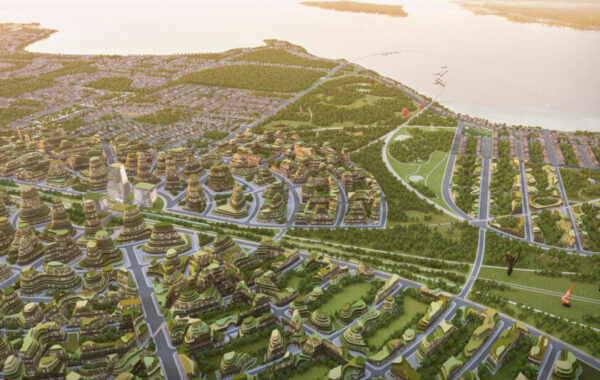
With urbanization rapidly increasing today, environmental sustainability has become central to urban planning. Reducing carbon footprint is emerging as a critical factor in combating global climate change. In this context, the integration of renewable energy sources, and especially solar energy, into urban life is of great importance. Solar-powered furniture stands out as innovative solutions that combine both functionality and environmental benefits in this area.

What are solar-powered furniture?
Solar-powered furniture refers to public furniture, such as benches, bus stops, lighting systems, and picnic tables, typically used in outdoor areas, that generate their own energy through integrated solar panels. These products reduce reliance on external sources by meeting their electricity needs directly from the sun, thus improving the city's energy efficiency. Citizens can also charge their phones, tablets, watches, computers, electric scooters, electric bicycles, and even battery-powered vehicles for people with disabilities, thanks to this furniture.
Carbon Footprint and Cities
Carbon footprint refers to the amount of greenhouse gases released into the atmosphere directly or indirectly by individuals or institutions. Cities account for a large proportion of total carbon emissions due to intensive energy consumption, transportation, and industrial activities. Therefore, reducing the carbon footprint in cities is a priority for achieving climate goals.

The Impact of Solar-Powered Furniture on Carbon Footprint
1. Reducing Dependence on Fossil Fuels
Solar-powered furniture directly reduces fossil fuel use because it obtains its electrical energy from the sun. In cities, using solar energy instead of fossil fuel-based electricity for lighting and small electrical appliances reduces carbon emissions.
2. Energy Efficiency and Local Production
Since solar energy is produced on-site, losses in energy transmission are minimized. This increases energy efficiency and reduces the city's overall energy consumption. This positively contributes to reducing the carbon footprint.
3. Long-lasting and maintenance-free systems
Solar-powered furniture is generally made from durable materials and requires low maintenance. Their long-lasting construction means they don't require frequent replacement or repair, thus preventing additional carbon emissions from production and logistics.

Advantages of Solar-Powered Furniture in Urban Planning
Aesthetics and Functionality
With their modern designs, solar-powered furniture contributes positively to urban aesthetics. At the same time, their electricity generation function allows them to integrate into smart city infrastructure. This enhances both sustainability and user experience.
Economic and Environmental Contribution to Local Governments
For municipalities, solar-powered furniture saves on energy costs and is an important tool in fulfilling their environmental responsibilities. These investments are reflected positively in local governments' sustainability reports and increase public support.
Education and Awareness Tool
Solar-powered furniture used in public spaces increases public interest in and awareness of renewable energy technologies. This contributes to the development of environmental consciousness in society.
In short, solar-powered furniture offers both practical and effective solutions for reducing carbon footprints in cities. fossil fuels, increasing energy efficiency, and raising environmental awareness in the community, it makes significant contributions to sustainable urbanization. These technologies, which are advantageous for local governments both environmentally and economically, are poised to become one of the cornerstones of the smart and green cities of the future.
Related: Smart City Furniture Guide for Municipalities: How to Make the Right Investment?