What is design?
Design is the planning and development process created to meet a need with aesthetic, functional, and sustainable solutions. Today, design is not merely a visual activity; it is a holistic approach that brings together many disciplines such as user experience, engineering, environmental impacts, and technological integration.
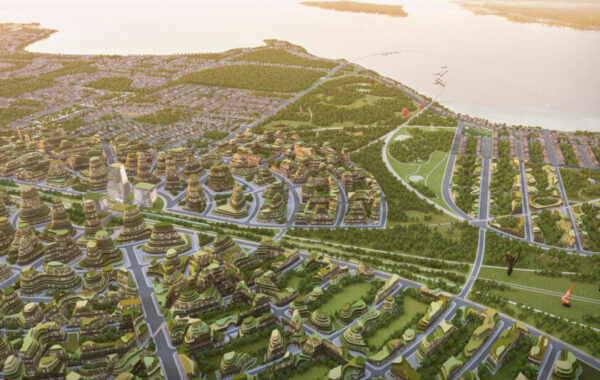
At the city level, design is a strategic tool that defines the identity of cities and directly influences the relationship users have with public spaces. In particular, street furniture is one of the most tangible and frequently encountered applications of design in daily life.
The Importance of Design in Street Furniture
Urban furniture encompasses benches, bus stops, lighting systems, and similar equipment used in parks, squares, transportation hubs, and social areas. The design of these products is not merely an aesthetic preference but also a functional necessity.
A successful design:
- It increases user comfort.
- It extends the lifespan of the area.
- It contributes to the aesthetics of the city.
- It supports security and accessibility.
Therefore, design in urban furniture has become an integral part of city planning.
Basic Principles of Modern Urban Furniture Design
Today, the design approach to urban furniture has changed significantly. Modern approaches focus not only on aesthetics but also on performance, durability, and user experience.
User-Centered Design
Modern design places the user at its heart. Street furniture should be designed to suit different age groups, physical needs, and usage habits.
Key elements of user-centered design:
- ergonomic design
- Easy access and use
- Disability-friendly solutions
- Adapting to different use cases
This approach ensures more inclusive and active use of public spaces.
Functionality and Versatility
While traditional street furniture serves a single need, modern design principles emphasize multifunctional solutions.
For example, a new generation of urban furniture:
- It can offer seating.
- It can provide charging capabilities for mobile devices.
- It can perform a lighting function.
- It may have data collection infrastructure.
This versatile use both increases space efficiency and enhances the user experience.
Sustainable Design Approach
Sustainability is a fundamental component of contemporary design. The environmental impact of urban furniture has become one of the most important criteria in the design process.
Key elements of sustainable design:
- Use of recyclable materials,
- Energy efficient systems,
- Long-lasting product design,
- Low maintenance requirements.
This approach both reduces environmental impact and provides long-term cost advantages.
Technology Integration
In modern urban furniture, design is intertwined with technology. With the increasing popularity of smart city concepts, urban furniture is now designed to be integrated with digital systems.
Within the scope of technology integration:
- IoT- based systems,
- Sensor technologies,
- Data collection and analysis infrastructure,
- Connectivity solutions (Wi-Fi, charging, etc.)
It stands out.
These features transform street furniture from passive elements into active infrastructure components.
The Relationship Between Aesthetics and Urban Identity
In urban furniture design, functionality is paramount, while aesthetics are equally important. The architectural language and cultural structure of cities are directly reflected in the design of the urban furniture used.
The right design:
- It strengthens the city's identity.
- It provides spatial integrity.
- It makes it easier for users to connect with the space.
Therefore, not only technical but also cultural and visual elements should be considered in the design process.
Durability and Material Selection
Durability is a critical factor in the design of urban furniture used in public spaces. These products include:
- Heavy use
- Weather conditions
- Risk of vandalism
It must be resilient against challenges such as these.
Therefore, in the design process:
- UV-resistant surfaces
- Stainless steel structures
- High-strength composite materials
is preferred.
The robust design extends product lifespan, reducing maintenance and replacement costs.
Modular Design and Flexibility
In modern urban projects, another important aspect of design is flexibility. Because cities are dynamic structures, the solutions used must be able to adapt to change.
Modular design:
- It allows products to be easily expanded
- It can be adapted to different fields
- It allows for project-based customization
This approach offers a significant advantage, especially in large-scale urban projects.
Propysalford's Design Approach
Propysalford approaches the design of urban furniture not merely as an aesthetic element, but as a holistic systems approach.
Solutions developed:
- It is user-focused.
- It complies with sustainability criteria.
- It is integrated with technology.
- It has a modular structure.
SolarBreeze, EnviroScape, PropyStation , and other products are examples of a high-performance design approach that can be tailored to the needs of cities.
Thanks to this approach, urban furniture:
- More functional
- Longer lifespan
- More efficient
is becoming.
Future of Urban Furniture Design
Urban furniture design will become more data-driven and user-centric in the future. AI-powered analytics will make it possible to understand user behavior and optimize design accordingly.
Moreover:
- Energy generating systems
- Smart connectivity solutions
- Sustainable materials
They will continue to be fundamental components of the design.
Frequently Asked Questions
Why is design important?
Design determines both the functionality and user experience of a product. In urban furniture, the right design increases both efficiency and urban aesthetics.
What criteria are used for designing street furniture?
User needs, durability, sustainability, aesthetics, and technology integration are among the criteria considered.
What does sustainable design mean?
It refers to the development of long-lasting and energy-efficient products that cause minimal harm to the environment.
What is the role of design in smart urban furniture?
Design ensures that technology is presented to the user in the right way and supports the efficient use of products.
Why is modular design preferred?
Modular design makes it easy to adapt products to different projects and provides long-term flexibility.
Discover Propysalford 's innovative products for design solutions that combine aesthetics, functionality, and sustainability in your urban projects
Bring your cities into the future with a design approach tailored specifically to your project.