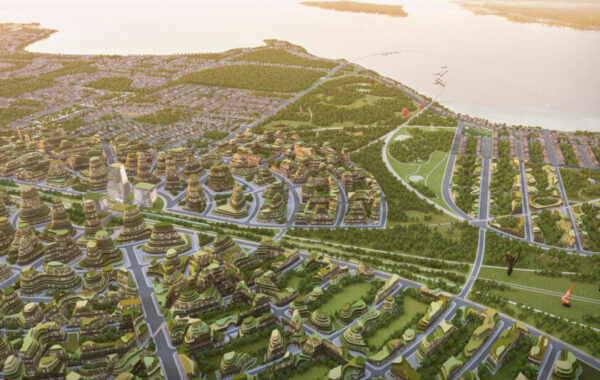
What is infrastructure?
Infrastructure is the sum of essential physical and digital systems that enable a city to function. While traditionally infrastructure encompassed electricity, water, sewerage, transportation, and communication networks, this definition has expanded significantly today.
In modern cities, infrastructure is no longer just physical systems. With digitalization:
- Data networks
- Sensor systems
- IoT (Internet of Things) infrastructure
- Smart energy solutions
Components such as these have also become an integral part of the infrastructure.
This transformation enables cities to become more efficient, sustainable, and user-centric.
Transitioning from Traditional Infrastructure to Smart Infrastructure
Classical urban infrastructures are centralized, static, and mostly operate in a one-way manner. These systems:
- It does not generate real-time data
- It cannot be optimized for usage
- It has high maintenance and operating costs
Smart infrastructure eliminates these limitations. Next-generation infrastructure systems:
- It generates real-time data
- It optimizes itself according to usage
- It provides energy efficiency
- It can be managed remotely
This transformation ensures that cities become not only "smarter" but also more sustainable.
Essential Infrastructure Components in Smart Cities
Smart city infrastructure consists of numerous systems that work together in an integrated manner. The main ones are:
Energy Infrastructure
The use of renewable energy sources is a fundamental element of modern infrastructure. This is especially true for solar energy systems:
- It reduces dependence on the grid
- It reduces energy costs
- It minimizes carbon emissions
Therefore, solar-based solutions are increasingly preferred in smart city projects.
Data and Communication Infrastructure
Smart cities are based on data. Thanks to sensors and connectivity systems:
- Usage intensity is analyzed
- Energy consumption is monitored
- Environmental data is measured
This data enables city administrations to make more accurate and faster decisions.
Transportation Infrastructure
Intelligent transportation systems optimize urban mobility. Traffic management, public transport systems, and smart bus stop solutions are important components of this infrastructure.
Thanks to these systems:
- Traffic congestion is reduced
- Waiting times are optimized
- User experience is improved
Public Space Infrastructure
Parks, squares, and social spaces are also an important part of the infrastructure. Smart urban furniture is used in these areas:
- It produces energy
- It provides service to the user
- It collects data
In this respect, public spaces become an active component of infrastructure.
The Role of Smart City Furniture in Infrastructure
Smart urban furniture is one of the most visible components of modern infrastructure on the ground. This is because these products:
- It interacts directly with the user
- Provides immediate benefits
- It generates data
For example, smart benches and smart bus stops:
- Provides mobile device charging
- It offers Wi-Fi access
- It provides lighting support
- It collects usage data
These features transform street furniture from mere pieces of equipment into an active part of the infrastructure.
A New Approach to Infrastructure Investments: Integrated Systems
Traditional infrastructure investments are often planned individually. However, in modern cities, this approach is being replaced by integrated systems.
Integrated infrastructure approach:
- It brings together energy, data, and user services
- It enables more efficient use of resources
- It optimizes project costs
In this model, smart urban furniture acts as a connection point between different systems.
The Relationship Between Sustainability and Infrastructure
Today, infrastructure investments are evaluated not only in terms of functionality but also in terms of sustainability.
Thanks to smart infrastructure systems:
- Energy consumption is reduced
- Carbon footprint is reduced.
- Natural resources are used more efficiently
This situation offers both environmental and economic advantages, especially for municipalities.
Propysalford's Infrastructure Approach
Propysalford positions smart urban furniture as an integral part of infrastructure. The solutions developed offer not only a product but also a systems approach.
The key features of this approach are:
- Standalone systems powered by solar energy
- Data generation through IoT integration
- Modular and scalable structure
- Low maintenance and long lifespan
PropyStation, SolarBreeze, EnviroScape , and other productsare designed to create an integrated infrastructure network within the city.
In this way, cities:
- At a lower cost
- With faster setup
- With more sustainable solutions
It can carry out the transformation process.
The Future of Smart Infrastructure
Infrastructure systems in the coming period:
- Generating more data
- AI-optimized
- Energy independent operator
will transform into structures.
Smart urban furniture will continue to be a vital part of this transformation and will strengthen the digital backbone of cities.
Frequently Asked Questions
Why is infrastructure important?
Infrastructure enables a city to function sustainably, safely, and efficiently. It forms the foundation of all city services.
What is smart infrastructure?
Smart infrastructure is the next generation of urban infrastructure that generates data, optimizes itself, and integrates with digital systems.
Are smart city furniture part of the infrastructure?
Yes. It is an active component of the infrastructure, particularly due to its capabilities in energy production, data collection, and user services.
How do solar systems affect infrastructure?
Solar systems provide energy independence and reduce the need for electricity infrastructure.
Why should municipalities invest in smart infrastructure?
Smart infrastructure investments reduce costs in the long run, ensure sustainability, and improve the quality of life in cities.
Discover Propysalford's innovative systems to transform your city's infrastructure for the future with sustainable and smart solutions.
Contact us for solutions tailored to your project .