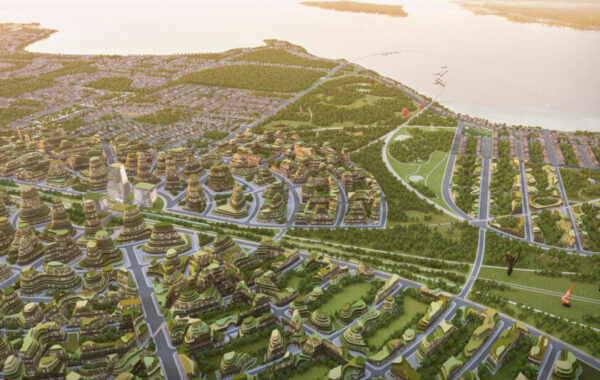
Are Carbon Neutral Cities Possible with Smart Urban Furniture?
What is a Carbon Neutral City?
A carbon-neutral cityis a sustainable city model that minimizes its carbon emissions and offsets the remaining emissions. The goal of this model is not only to reduce carbon but also to optimize energy production, consumption, and management throughout the city.
Carbon-neutral cities are based on the following fundamental principles:
- Use of renewable energy
- Energy efficiency
- Smart infrastructure systems
- Low-carbon transportation and living spaces
This transformation is possible not only through large-scale energy projects, but also through the transformation of urban equipment used in daily life.
The Impact of Street Furniture on Carbon Footprint
Although often overlooked, street furniture has a significant impact on a city's total carbon footprint.
Traditional street furniture:
- It is dependent on the electricity infrastructure
- It constantly consumes energy
- The installation process requires excavation and infrastructure work
- Maintenance and refurbishment processes generate additional carbon emissions
Especially when considering large parks, squares, and transportation hubs, these effects create a significant carbon load across the city.
Therefore, the goal of carbon-neutral cities must also include the transformation of urban furniture.
How do smart urban furniture reduce carbon emissions?
Smart urban furniture is a vital tool for creating carbon-neutral cities. Solar systems, in particular, are central to this transformation.
1. Use of Renewable Energy
Solar street furniture generates its own electricity using solar energy. This allows:
- Dependence on grid electricity decreases
- Fossil fuel consumption will decrease
- Carbon emissions are minimized
These systems offer significant advantages, especially in regions where electrical infrastructure is challenging.
2. Energy Efficiency and Smart Management
Smart systems optimize energy usage. Thanks to sensors and IoT infrastructure:
- Unnecessary energy consumption is prevented
- Energy is distributed according to usage
- Systems are managed automatically
This results in energy savings across the city.
3. Reducing Carbon Emissions from Infrastructure and Installations
Required in classical systems:
- Excavation works
- Cable laying processes
- Use of heavy machinery
In solar systems, carbon emissions are largely eliminated. This significantly reduces carbon emissions during the installation phase.
4. Long-lasting and Durable Design
Smart urban furniture typically includes:
- Made from more durable materials
- It requires less maintenance
- It has a longer lifespan
This reduces carbon emissions from production and renovation.
Data-Driven Carbon Management
One of the most important advantages of smart urban furniture is its data generation capacity.
Thanks to the collected data, city administrations can:
- It can analyze energy consumption
- It can measure carbon emissions
- It can identify which areas require optimization
This approach transforms carbon management from a guesswork-based process into a measurable and manageable one.
Sustainable Transformation in Public Spaces
The goal of a carbon-neutral city is directly linked to the transformation of public spaces.
Thanks to smart urban furniture:
- Parks are being transformed into energy-producing areas
- Public spaces are used more efficiently
- Transportation hubs become sustainable
This transformation provides not only environmental but also economic benefits.
Propysalford's Carbon Neutral City Vision
Propysalford positions smart urban furniture not just as a product, but as an integral part of sustainable city infrastructure.
Solutions developed:
- Systems powered by solar energy
- IoT- based data management
- Long-lasting and durable design
Especially:
- SolarBreeze and EnviroScape > smart bank solutions that generate energy
- PropyStation > a smart station contributing to sustainable transportation infrastructure
These are the practical applications of this vision.
These systems reduce cities' carbon footprint while also improving the user experience.
Are Carbon Neutral Cities Really Possible?
Carbon-neutral cities are achieved not through a single solution, but through a multi-layered transformation.
The key components of this transformation are:
- Renewable energy systems
- Smart city infrastructure
- Energy efficient solutions
- Data-driven management
While smart urban furniture may seem like a small part of this transformation, it has a significant impact when implemented city-wide.
Frequently Asked Questions
Do smart urban furniture products reduce carbon emissions?
Yes. Especially thanks to solar energy systems, it reduces the use of fossil fuels and lowers carbon emissions throughout the city.
Why are solar-powered street furniture environmentally friendly?
It generates its own energy, requires no electrical infrastructure, and minimizes energy consumption.
How to create carbon neutral cities?
The use of renewable energy, energy efficiency, smart infrastructure systems, and data-driven city management are all ways to achieve this.
Are smart urban furniture items sufficient for sustainability?
It's not enough on its own, but when implemented citywide, it makes a significant contribution to carbon reduction.
Discover Propysalford 's smart urban furniture solutions to reduce your city's carbon footprint and create sustainable infrastructure . Contact us for solutions tailored to your project .